Purpose
This project focuses on creating a practical digital twin for Team DIANA's planetary rover. The goal was not only to make a visual simulation, but to provide a testing environment where software teams can validate control, navigation, telemetry, and sensor-processing logic before running on the physical rover.
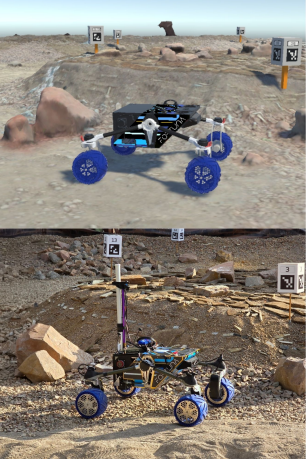
Simulation and integration
I worked on Unity-based simulation environments, integrated rover CAD & SolidWorks models, configured joints and physics behavior, and connected simulated components to robotics software through ROS 2, TCP, and UDP. This made the simulation useful for testing real rover-control workflows rather than only showing a visual model.
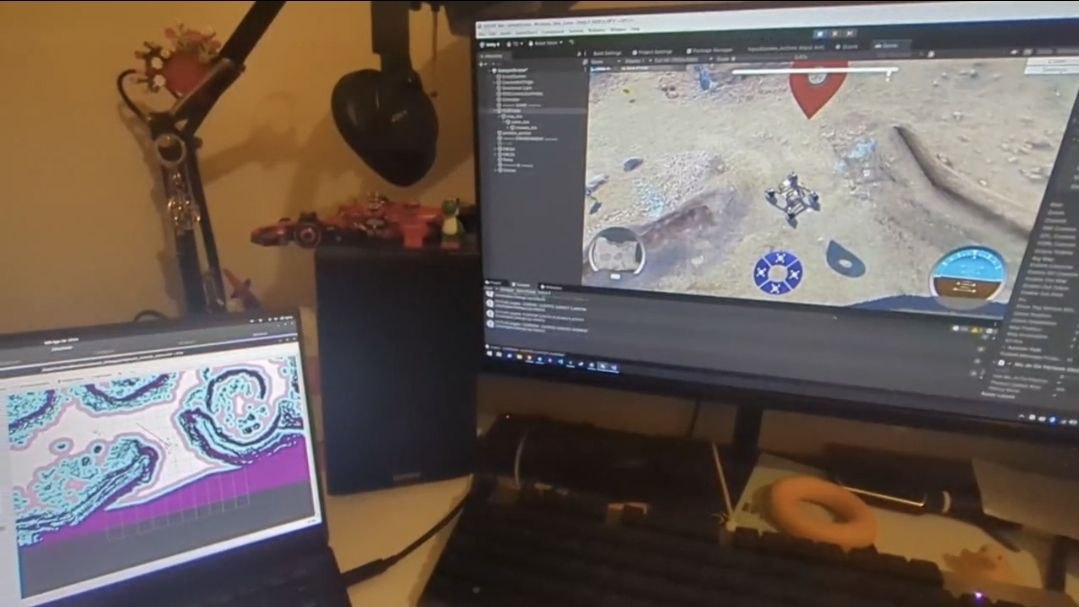
SITL and HITL validation
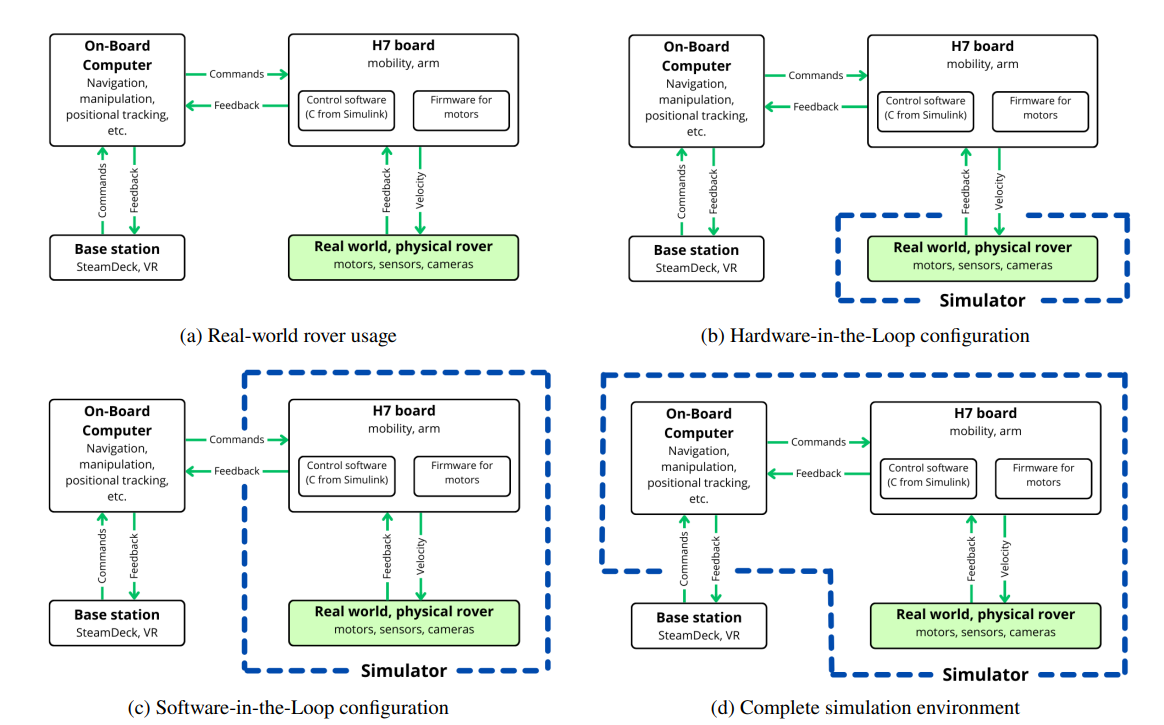
The platform supports software-in-the-loop and hardware-in-the-loop workflows, making it useful for mission preparation and safer iteration when field access is limited. This structure lets the team test software behavior with simulated or connected hardware components before moving to the physical rover.
Validation with real-world comparisons
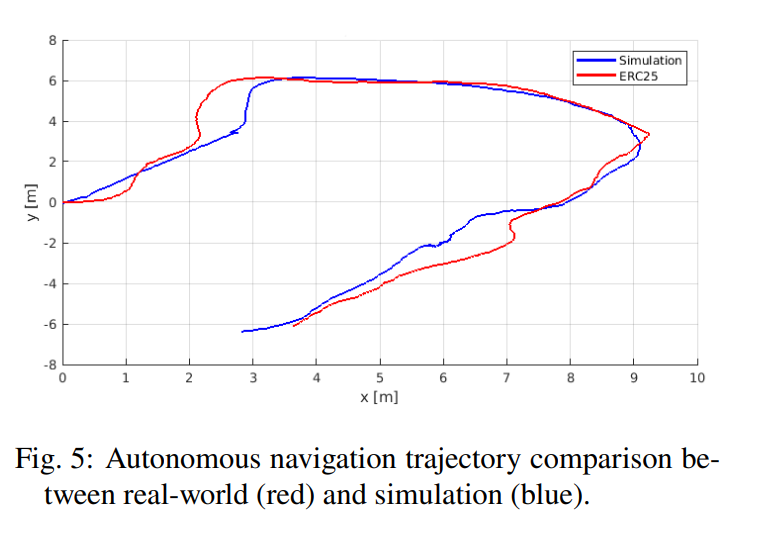
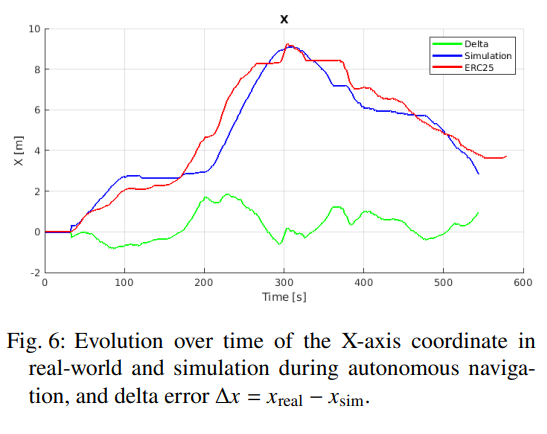
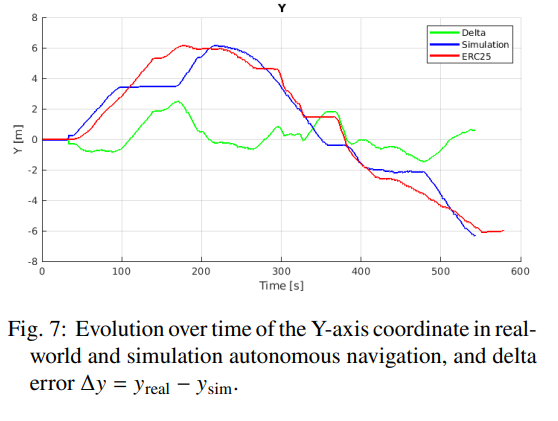
The simulation data and real-world comparison plots help evaluate whether the simulated rover movement behaves close enough to physical tests. This makes the platform valuable for debugging, operator training, and validating autonomous-navigation software before deployment.
Coordinate-level analysis
I also used coordinate comparison plots to inspect how simulated rover behavior diverges from real-world runs over time. These views help identify where the simulator needs tuning and where the model already reflects physical behavior well.
Motion consistency
Comparing the Y-axis behavior gives another view of motion consistency between the real rover and the simulated rover. Together, these plots support a more evidence-based simulation workflow.
Key contributions
- Built Unity-based simulation environments that reproduce rover movement, terrain interaction, sensors, and operator workflows.
- Configured CAD-derived rover joints, physics behavior, controllers, and communication interfaces for realistic testing.
- Supported software-in-the-loop and hardware-in-the-loop validation so navigation and control code can be tested safely before field runs.
- Used simulation results and trajectory comparisons to evaluate how closely simulated rover behavior matches real-world operation.